


Raising a child abroad, or with a partner who speaks another language, often means raising children who will naturally speak more than one language: maybe Italian with mum, German with dad, English as a shared language… and if you live in a third country, also the local language!
In this context, many parents ask themselves the same question: “Can bilingualism cause confusion or language problems?”
To answer this, it is essential to clarify what bilingualism really is.
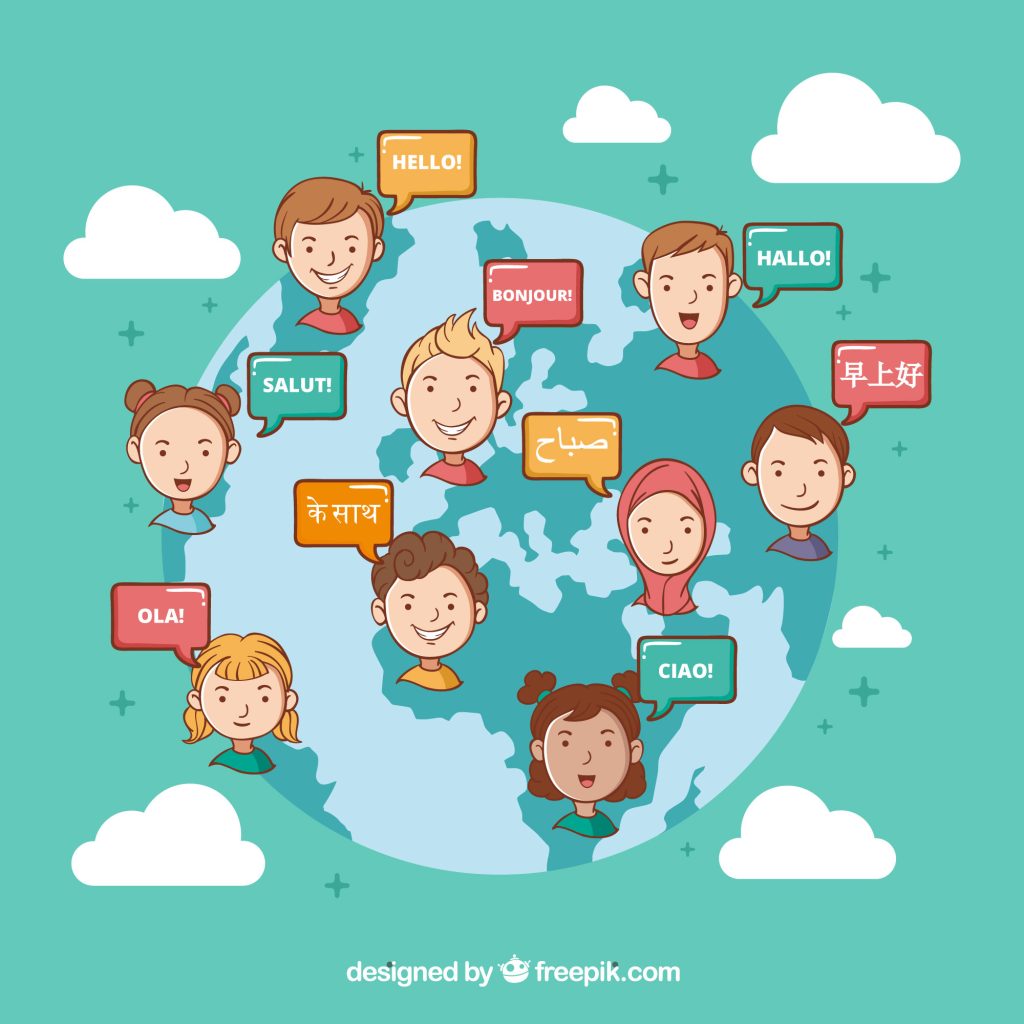
Being bilingual does not mean speaking two languages perfectly, without mistakes, and at the same level. It means using more than one language in everyday life to communicate, play, and express needs and emotions. It is a natural and dynamic experience, not a performance to be measured.
From a scientific point of view, bilingual children reach language development milestones within the same timeframes as monolingual children.
So we can take a deep breath of relief: bilingualism in itself does not cause language delays.
What can change is how language looks if it is observed only in one single language, without considering the child’s overall exposure, and when bilingual or multilingual children are compared to children who grow up with only one language (and this is where many misunderstandings and myths originate)
Among the most common myths are:
Bilingualism confuses children ❌.
No! Bilingual children have one integrated language system that brings together the languages they hear every day. For this reason, they may mix languages or use a word from one language when they cannot immediately find the equivalent in the other. This behaviour is normal and serves communication.
To be considered bilingual, children must speak all languages at the same level ❌.
No! It is completely normal for one language to become stronger than another at certain times, especially the language of the environment where the child spends most of their time. This does not mean that the other language is being “lost”.
Bilingual children have a smaller vocabulary than monolingual children ❌.
No! Bilingual language development should not be assessed by counting words in only one language. In bilingual children, it is essential to consider the total vocabulary, meaning all the words the child knows across all the languages they use. If we look at only one language and compare it to that of a monolingual child, we risk getting a distorted picture.
Understanding what bilingualism really is helps parents observe their child with greater peace of mind, avoiding unnecessary comparisons and unfounded worries. In the next articles, we will explore in more detail the most common situations bilingual families encounter while raising children abroad.
I am Valentina, Italian speech and language pathologist specialized in multilingualism and Italian mum in the Netherlands.
If you have doubts about your child’s language development and would like to better understand whether what you are observing falls within the normal range of bilingual development, you can request an individual consultation.
You can find me on Instagram as @logopedistavale, where I share content about language development in bilingual and multilingual children.